
 215-860-9600
 Newtown, PA

Understanding facelift techniques is one of the most important steps a prospective patient can take before scheduling a surgical consultation. The term “facelift” describes a family of procedures, not a single operation, and the approach your surgeon selects will directly shape your results, your recovery, and the longevity of your outcome. Whether you are noticing changes in your jawline, deepening folds along the cheeks, or loosening skin along the neck, knowing the differences between available surgical methods helps you arrive at your consultation as an informed participant rather than a passive recipient. If you are ready to begin that conversation, we encourage you to reach out to our team directly to discuss your goals.
The Foundation of Modern Facelift Techniques: Understanding the SMAS
Before comparing specific approaches, it helps to understand the anatomical structure that defines most modern facelift techniques: the superficial musculoaponeurotic system, commonly referred to as the SMAS. The SMAS is a layer of fibromuscular tissue that lies beneath the skin of the face, connecting the facial muscles to the overlying skin. When a surgeon addresses the SMAS rather than simply tightening the skin, the results tend to appear more natural and may last longer.
Why the SMAS Layer Matters
Early facelift procedures focused primarily on removing excess skin. While this approach can produce visible improvement, results achieved by skin tension alone often fade more quickly and can create the “pulled” appearance that many patients want to avoid. Contemporary facelift techniques, by contrast, reposition the underlying SMAS layer as part of the surgical plan. This creates a more durable structural change and allows the overlying skin to be repositioned with less tension.
SMAS Plication and SMASectomy
The two most common SMAS-based modifications are plication, in which the SMAS is folded and sutured to itself, and SMASectomy, in which a segment of the SMAS is removed before closure. Both approaches address the deeper tissue layer and are frequently used in what is broadly described as a traditional or standard facelift. The right choice between them depends on individual anatomy, the degree of laxity present, and your surgeon’s clinical assessment. Patients researching their options can explore our cosmetic facial services for a broader overview of what facial rejuvenation may involve.
At Modern Aesthetic Plastic Surgery, Dr. Robert Skalicky brings more than 30 years of experience evaluating facial anatomy and selecting the technique most appropriate for each patient’s specific presentation. Individual results may vary based on anatomy, age, skin quality, and overall health.
Comparing Facelift Techniques: Deep Plane, SMAS Lift, and Mini Facelift
The most frequently discussed facelift techniques fall into three broad categories: the SMAS lift, the deep plane facelift, and the mini facelift. Each carries its own set of indications, recovery considerations, and potential outcomes.
The Deep Plane Facelift
The deep plane facelift is considered among the most comprehensive facelift techniques available. The surgeon releases and repositions tissue beneath the SMAS layer, including the retaining ligaments that anchor the face to underlying structures. This approach may allow for more significant repositioning of the midface and cheek tissues and is often selected for patients with more advanced signs of facial aging. Recovery may be somewhat longer than with less extensive approaches, and swelling can persist for several weeks. However, results achieved through deep plane techniques are often described by surgeons as among the most naturally appearing and potentially long-lasting.
The Standard SMAS Facelift
The standard SMAS facelift addresses the lower two-thirds of the face and the neck, targeting jowling, mid-cheek descent, and loose neck skin. It remains a widely performed and highly effective approach for patients with moderate to significant facial laxity. A related option, sometimes called a SMAS imbrication or high-SMAS technique, may be recommended depending on individual anatomy.
The Mini Facelift
A mini facelift uses shorter incisions and a more limited dissection plane. It may be appropriate for patients in earlier stages of facial aging who have concerns primarily along the jawline and lower cheeks. Recovery time is generally shorter than with more extensive facelift techniques, making it an option patients with early laxity may wish to discuss during a consultation. Patients who want to explore complementary non-surgical options might also consider facial fillers and injectables or procedures such as a brow lift to address concerns in adjacent areas of the face.
What to Expect Before, During, and After Facelift Surgery
Understanding the full arc of facelift surgery, from initial consultation through recovery, helps patients set realistic expectations and prepare thoughtfully for the process.
The Consultation Process
A thorough consultation is where surgical planning truly begins. Your surgeon will evaluate the quality and elasticity of your skin, the degree of SMAS laxity, bony structure, the position of facial fat compartments, and your medical history. Discussing your goals openly during this conversation allows your surgeon to recommend which among the available facelift techniques is most consistent with what you hope to achieve. Patients are encouraged to bring photographs and ask detailed questions, including about scarring, anesthesia, and realistic timelines for visible results.
Recovery and Healing
Recovery from facelift surgery varies by technique and by individual. Most patients can expect some degree of swelling, bruising, and tightness in the initial weeks following surgery. Final results from facelift techniques that address deeper tissue layers may take several months to fully emerge as swelling resolves and tissue settles. Patients should plan for a period away from work and social activities, with specific guidance provided by their surgeon based on the approach performed. Maintaining results over time is often supported by a thoughtful skincare regimen; our team can help identify appropriate skincare products to use before and after surgery.
Combining Facelift Surgery With Other Procedures
Many patients choose to address multiple concerns during the same surgical session. Facelift techniques are frequently combined with blepharoplasty (eyelid surgery), a brow lift, neck lift, or fat transfer to the face to restore volume in areas where it has been lost. At Modern Aesthetic Plastic Surgery, our integrated practice model, which includes board-certified surgeons, aesthetic injectors, and licensed aestheticians working collaboratively, allows for comprehensive treatment planning tailored to each patient’s goals. Patients interested in body procedures may also explore options such as a tummy tuck or other body contouring services if they are considering multiple areas of concern.
Why Choose Modern Aesthetic Plastic Surgery?
Selecting a surgeon for any facelift procedure is a decision that deserves careful consideration. Dr. Robert Skalicky is a board-certified plastic and reconstructive surgeon with over 30 years of clinical experience, trained at distinguished institutions including Fox Chase Cancer Center and Cooper University Health System. His career spans practice in Pennsylvania, New York, New Jersey, and Iowa, and he has published innovative techniques in peer-reviewed plastic surgery journals. He has been selected to train plastic surgery residents at two separate programs, a distinction that reflects how his peers regard his clinical standards. Modern Aesthetic Plastic Surgery serves patients from the greater Philadelphia area, with convenient locations in Newtown and King of Prussia. The practice’s three-division model, integrating surgery, injectable aesthetics, and medical-grade skincare, means patients have access to collaborative, comprehensive care under one roof. We invite you to meet our team and learn more about what our practice can offer.
Contact Us
If you are researching facelift techniques and want to understand which approach may align with your goals, the next step is a conversation with a board-certified plastic surgeon who can evaluate your anatomy and discuss your options honestly. Modern Aesthetic Plastic Surgery serves patients throughout the greater Philadelphia area from our Newtown and King of Prussia locations. To schedule your consultation, please contact our team to speak with a member of our staff directly.
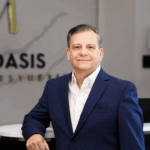
Dr. Robert Skalicky
Board Certified Plastic Surgeon
Dr. Robert Skalicky, founder and president of Modern Aesthetic Plastic Surgery, is a board-certified plastic and reconstructive surgeon with over 30 years of transformative experience. Trained at premier institutions across Pennsylvania, New York, New Jersey, and Iowa, including the Philadelphia College of Osteopathic Medicine, Cooper University Health System, West Chester Medical Center, and Fox Chase Cancer Center. Dr. Skalicky combines unparalleled surgical skill with an artistic eye for aesthetics. Recognized nationally for his innovative techniques, he has been featured on television and radio as an expert, published in leading plastic surgery journals, and selected to train the next generation of plastic surgeons. When you choose Dr. Skalicky, you’re choosing a true leader in the field, dedicated to delivering results that are as natural as they are exceptional.