
 215-860-9600
 Newtown, PA

If you are weighing a mini facelift vs. a full facelift and trying to determine which is rightfor you, you are already asking the most important question in facial rejuvenation. These two procedures share a common goal: restoring a smoother, more youthful facial contour, but they differ meaningfully in scope, recovery, and the concerns they are best suited to address.
At Modern Aesthetic Plastic Surgery in Newtown, PA, Dr. Robert Skalicky brings over 30 years of board-certified experience to this exact conversation. We want to help you understand both options clearly so you can move forward with confidence. Contact us to schedule a consultation and explore which approach aligns with your goals.
What Is a Mini Facelift?
A mini facelift, sometimes called a limited-incision facelift or short-scar facelift, is a surgical procedure designed to address early to moderate signs of facial aging. It primarily targets the lower face and jawline, using smaller incisions typically placed around the ears. Through these incisions, a surgeon can reposition underlying tissue and remove a modest amount of excess skin to restore a refreshed, natural-looking contour.
Because the incisions are shorter and the tissue manipulation is less extensive than in a full facelift, the procedure generally involves a shorter operating time and a more limited recovery period for most patients. It may be performed under local anesthesia with sedation in some cases, including as part of an awake facelift approach. Candidates who tend to benefit most are typically in their late 30s to mid-50s with good skin elasticity and defined but not advanced facial laxity. Results are generally long-lasting, though they may not address more extensive aging changes.
What Is a Full Facelift?
A full facelift, or rhytidectomy, is a comprehensive surgical procedure that addresses the midface, lower face, jawline, and neck in a single treatment plan. It involves longer incisions that extend from the temples, around the ears, and into the lower scalp or hairline. This broader access allows the surgeon to reposition deeper facial structures, including the SMAS layer and the fibromuscular system beneath the skin, and to remove more excess skin and tissue.
The result is a more thorough repositioning of facial anatomy that can address moderate to advanced signs of aging, including deep nasolabial folds, significant jowling, and loose neck skin. A full facelift is often combined with complementary procedures such as an eyelid lift or brow lift to achieve a balanced, cohesive result. Recovery is more involved than with a mini facelift, and the procedure is typically performed under general anesthesia. For appropriate candidates, the results can last longer and be more transformative.
Key Differences Between a Mini Facelift and a Full Facelift
How Each Procedure Works
-
Mini facelift: Smaller incisions, limited tissue repositioning, focuses on surface and mid-layer correction in the lower face and jawline.
-
Full facelift: Longer incisions, deep-plane or SMAS-layer manipulation, addresses the midface, lower face, and neck comprehensively.
Treatment Areas
-
Mini facelift: Primarily the lower face and early jowling; limited neck involvement.
-
Full facelift: Midface, cheeks, jawline, jowls, and neck; can address more advanced laxity throughout.
Recovery Timeline
-
Mini facelift: Most patients return to light activity within one to two weeks; bruising and swelling are typically less pronounced.
-
Full facelift: Most patients plan for two to three weeks before returning to social or professional settings; swelling may persist longer.
Longevity of Results
-
Mini facelift: Results may last five to seven years for appropriate candidates, depending on skin quality, genetics, and lifestyle.
-
Full facelift: Results tend to be longer-lasting given the greater degree of tissue repositioning, often remaining evident for ten or more years.
Anesthesia and Setting
-
Mini facelift: May be performed under local anesthesia with sedation or general anesthesia depending on patient and surgeon preference.
-
Full facelift: Typically performed under general anesthesia in a fully equipped surgical facility.
A side-by-side comparison like this provides useful orientation, but it cannot capture the full picture. Facial anatomy is highly individual. Two patients with similar ages can have very different degrees of skin laxity, bone structure, and soft tissue volume, each of which influences which procedure is likely to produce the most natural and lasting outcome. A thorough in-person or virtual consultation with a board-certified plastic surgeon is the only reliable way to determine which approach genuinely fits your anatomy and your goals.
Which Is Right for You?
Understanding your own candidacy is the heart of this decision. A mini facelift may suit patients who are beginning to notice mild to moderate jawline softening or early jowling, have relatively good skin elasticity, and prefer a shorter recovery period. Patients in this group are often motivated by specific, focused concerns rather than widespread aging across the face and neck. The procedure offers meaningful improvement with a more limited surgical commitment, which can matter depending on professional obligations or personal preference.
A full facelift may be a more appropriate consideration for patients with more advanced facial laxity, significant jowling, loose or banded neck skin, or deflation of the midface and cheeks. If non-surgical treatments such as facial fillers and injectables are no longer providing the level of correction you are looking for, a full facelift may offer more durable results. At Modern Aesthetic Plastic Surgery, Dr. Skalicky takes a collaborative approach to every consultation. He will review your facial anatomy, discuss your specific concerns, and provide an honest recommendation based on what your anatomy supports and what your goals require.
Why Choose Modern Aesthetic Plastic Surgery?
Dr. Robert Skalicky is a board-certified plastic and reconstructive surgeon with over 30 years of experience across Pennsylvania, New York, New Jersey, and Iowa. He trained at Fox Chase Cancer Center and Cooper University Health System, published innovative surgical techniques in peer-reviewed plastic surgery journals, and was selected to train the next generation of plastic surgery residents at two separate programs. These are not marketing claims; they reflect the depth of clinical expertise he brings to every patient.
Modern Aesthetic Plastic Surgery is also a fully integrated practice, with surgical, med spa, and skincare divisions that work collaboratively to support your overall outcome. Whether your plan involves surgery alone or a combination approach that includes aesthetic procedures to complement your results, our team is equipped to support you at every stage. We serve patients throughout the greater Philadelphia region from our Newtown and King of Prussia locations, and we offer virtual consultations for your convenience. Meet our team to learn more about the people behind your care.
Frequently Asked Questions
Is a mini facelift significantly less expensive than a full facelift?
In general, a mini facelift involves less operating time and a smaller surgical scope, which can mean a lower overall cost compared to a full facelift. However, pricing depends on your individual treatment plan, the anesthesia used, the surgical facility, and whether any complementary procedures are included. The best way to receive an accurate estimate is to schedule a consultation where your specific goals and anatomy can be evaluated directly.
Can a mini facelift and a full facelift be combined with other procedures?
Both facelift approaches are frequently combined with complementary procedures such as an eyelid lift, brow lift, or non-surgical treatments like injectables or skincare therapies. Combining procedures can improve overall facial harmony and may be more efficient for recovery than staging separate surgeries. Dr. Skalicky will discuss whether a combination approach makes sense for your goals during your consultation.
How do I know if my skin laxity requires a full facelift rather than a mini facelift?
Skin laxity is one of several factors evaluated during your surgical consultation. A board-certified surgeon will assess the degree of tissue descent, skin elasticity, bone structure, and volume changes across your face and neck. Patients with mild to moderate laxity concentrated in the lower face are often good candidates for a mini facelift, while more advanced or widespread laxity typically benefits more from the comprehensive repositioning a full facelift provides.
What should I look for when choosing a surgeon for either procedure?
Board certification in plastic and reconstructive surgery is a foundational credential to verify. Beyond that, look for a surgeon with extensive experience specifically in facial procedures, published contributions to the field, and a demonstrated commitment to patient education and transparency. A surgeon who encourages honest conversation about risks, recovery, and realistic outcomes is a meaningful indicator of patient-centered practice. Dr. Skalicky’s background and approach reflect these qualities.
How long does recovery typically take for each procedure?
Most patients undergoing a mini facelift feel comfortable returning to light daily activity within one to two weeks, with residual swelling continuing to resolve over several more weeks. A full facelift generally takes two to three weeks before most patients feel ready to resume social or professional activities, with full results settling over a few months. Recovery experiences vary from person to person, so your surgeon will provide guidance tailored to your specific procedure and health history.
Schedule Your Facelift Consultation in Newtown, PA
Whether a mini facelift vs. a full facelift is right for you is a decision best made with a board-certified surgeon who knows both procedures well. Dr. Skalicky and the team at Modern Aesthetic Plastic Surgery in Newtown, PA are ready to listen to your goals, assess your anatomy honestly, and help you build a plan you feel confident about. Contact us online to schedule your consultation today.
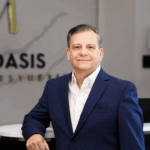
Dr. Robert Skalicky
Board Certified Plastic Surgeon
Dr. Robert Skalicky, founder and president of Modern Aesthetic Plastic Surgery, is a board-certified plastic and reconstructive surgeon with over 30 years of transformative experience. Trained at premier institutions across Pennsylvania, New York, New Jersey, and Iowa, including the Philadelphia College of Osteopathic Medicine, Cooper University Health System, West Chester Medical Center, and Fox Chase Cancer Center. Dr. Skalicky combines unparalleled surgical skill with an artistic eye for aesthetics. Recognized nationally for his innovative techniques, he has been featured on television and radio as an expert, published in leading plastic surgery journals, and selected to train the next generation of plastic surgeons. When you choose Dr. Skalicky, you’re choosing a true leader in the field, dedicated to delivering results that are as natural as they are exceptional.