
 215-860-9600
 Newtown, PA

Understanding the facelift results longevity timeline is one of the most important steps a prospective patient can take before committing to surgery. A facelift is a significant investment, and knowing how results evolve from the first weeks of healing through years seven to ten helps set realistic expectations and supports a confident, informed decision. At Modern Aesthetic Plastic Surgery, Dr. Robert Skalicky brings over 30 years of board-certified experience to every consultation, helping patients understand not just what surgery can achieve, but how to protect and extend those results over time.
To learn more about our full range of cosmetic facial services in Philadelphia and King of Prussia, we encourage you to browse our procedure pages or schedule a consultation with our team.
What to Expect in the First Year After a Facelift
The facelift results longevity timeline begins well before a patient sees their final outcome. In the first weeks following surgery, swelling, bruising, and mild tightness are entirely normal parts of the healing process. Most patients find these effects manageable, and they typically resolve progressively over the first two to three months.
Months One Through Three
During this phase, the face continues to settle. Residual swelling in deeper tissues may cause the appearance to fluctuate slightly from week to week. Incision lines, placed carefully within the hairline and natural contours of the ear, will begin to mature and fade. Patience during this window is essential because the results visible at six weeks are not the final results.
Months Four Through Twelve
By months four through six, most patients begin to see the refined, natural-looking improvement they anticipated. The skin has re-draped, deeper tissues have stabilized, and the face looks rested and rejuvenated. By month twelve, results are fully established. Individual results may vary depending on skin quality, age at the time of surgery, and adherence to post-operative guidance.
In our practice, we find that patients who begin a consistent skincare regimen during this period, including medical-grade products, tend to maintain a more even and youthful result. Exploring quality skincare products available through our Philadelphia and King of Prussia locations is a practical first step in preserving surgical outcomes.
How Facelift Results Change From Years Two Through Five
Understanding how the facelift results longevity timeline progresses into the mid-term is critical for setting realistic expectations. A well-performed facelift does not stop the aging process. What it does is reset the clock, so that a patient at year three typically looks meaningfully younger than they would have without surgery, even as natural aging continues.
What Changes and What Holds
In years two through five, the structural improvements achieved during surgery, particularly repositioning of the SMAS layer and deeper facial tissues, generally remain stable. Volume loss, however, continues as a natural consequence of aging. Patients may notice subtle hollowing in the midface or temples that was not present immediately post-surgery. This does not indicate that the facelift has “worn off”; it reflects the ongoing nature of facial aging.
Complementary Treatments That Support Results
Many patients choose to address early volume changes with non-surgical options. Facial fillers and injectables available at our Philadelphia and King of Prussia practice can help restore subtle volume and maintain a balanced, refreshed appearance between surgical milestones. At Modern Aesthetic Plastic Surgery, our three-division structure, integrating surgeons, aesthetic injectors, and licensed skincare specialists, means patients have a full continuum of care available under one roof. This collaborative model is a genuine differentiator that supports long-term outcomes in ways a surgery-only practice cannot replicate.
Years Six Through Ten: Protecting and Extending Your Facelift Results Longevity Timeline
By years six through ten, patients who invested in both an experienced surgeon and a proactive maintenance plan tend to retain the most visible benefit from their facelift. Research suggests that the average facelift may provide meaningful rejuvenation for seven to ten years or more, though individual results vary considerably based on genetics, lifestyle, and sun exposure history.
Factors That Influence Long-Term Results
Significant factors in facelift results longevity include consistent use of broad-spectrum sun protection, avoiding smoking, maintaining a stable weight, and regular professional skin treatments. Patients who incorporate periodic resurfacing procedures, such as those available through our aesthetic procedures program in Philadelphia and King of Prussia, may help sustain skin quality and texture over the long term.
When Patients Consider a Secondary Procedure
Some patients at the ten-year mark elect to pursue a secondary facelift or complementary procedures such as a brow lift to address upper facial changes that have developed independently over time. This decision is always individualized. Dr. Skalicky’s extensive background in facial anatomy, refined over more than three decades and documented in published plastic surgery journal articles, positions him well to evaluate whether and when a revision may be appropriate for any given patient.
Why Choose Modern Aesthetic Plastic Surgery for Your Facelift?
Patients throughout the greater Philadelphia area, including those visiting our Newtown and King of Prussia locations, trust Modern Aesthetic Plastic Surgery because of what Dr. Skalicky and the entire team bring to every stage of care. Dr. Skalicky is a board-certified plastic and reconstructive surgeon with more than 30 years of experience, trained at Fox Chase Cancer Center and Cooper University Health System. He has published innovative surgical techniques in peer-reviewed plastic surgery journals and has been selected to train residents at two separate plastic surgery programs, a distinction that signals recognition from peers in the field, not simply longevity in practice.
Beyond Dr. Skalicky’s individual credentials, Modern Aesthetic Plastic Surgery operates as a fully integrated three-division practice. Surgical outcomes are supported by aesthetic injectors and licensed skincare professionals who collaborate directly on patient care. When patients come to us, they do not just become patients; they become part of a practice community built on transparency, collaboration, and a genuine commitment to long-term results. To learn more about our team, visit our Philadelphia and King of Prussia team page.
Frequently Asked Questions
How long does a facelift typically last?
Research suggests that facelift results may last seven to ten years or more for many patients, though individual results vary. Factors such as skin quality, genetics, sun exposure habits, and lifestyle choices all influence how long results remain visible. A thorough consultation with a board-certified surgeon can help you understand what to realistically expect based on your specific anatomy and goals.
Will I look natural after a facelift, or will people be able to tell I had surgery?
When performed by an experienced surgeon, a facelift is intended to create a refreshed, natural appearance rather than an overtly “operated” look. Dr. Skalicky’s technique prioritizes repositioning deeper facial structures rather than simply pulling the skin, which contributes to results that tend to look balanced and proportionate. Reviewing before-and-after images during consultation can help set visual expectations.
At what age is a facelift most appropriate?
There is no single ideal age for a facelift. Candidacy depends more on the degree of facial laxity, skin quality, and overall health than on a specific number. Many patients pursue the procedure in their mid-forties through mid-sixties, though appropriate candidates outside this range do exist. A consultation with Dr. Skalicky can help determine whether surgical or non-surgical options are better suited to your current stage of aging.
Contact Us
If you are researching the longevity timeline for facelift results and want to understand what surgery might realistically achieve for you, the next step is a personal consultation. Modern Aesthetic Plastic Surgery serves patients throughout the greater Philadelphia region from our Newtown and King of Prussia locations. Visit our contact page to schedule your appointment with Dr. Skalicky and our team.
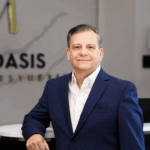
Dr. Robert Skalicky
Board Certified Plastic Surgeon
Dr. Robert Skalicky, founder and president of Modern Aesthetic Plastic Surgery, is a board-certified plastic and reconstructive surgeon with over 30 years of transformative experience. Trained at premier institutions across Pennsylvania, New York, New Jersey, and Iowa, including the Philadelphia College of Osteopathic Medicine, Cooper University Health System, West Chester Medical Center, and Fox Chase Cancer Center. Dr. Skalicky combines unparalleled surgical skill with an artistic eye for aesthetics. Recognized nationally for his innovative techniques, he has been featured on television and radio as an expert, published in leading plastic surgery journals, and selected to train the next generation of plastic surgeons. When you choose Dr. Skalicky, you’re choosing a true leader in the field, dedicated to delivering results that are as natural as they are exceptional.