
 215-860-9600
 Newtown, PA

If you are researching facelift surgery near Newtown, PA, you likely have questions about what the procedure involves, who makes a good candidate, and what recovery looks like. This page is designed to give you clear, honest answers. Whether you are exploring a mini facelift, a deep plane facelift, or simply trying to understand your options, the information below will help you move forward with confidence. Individual results vary, and every patient’s situation is unique. If you would like to discuss your specific concerns, contact Modern Aesthetic Plastic Surgery at (215) 860-9600.
What Is Facelift Surgery?
Facelift surgery is a surgical procedure that addresses sagging skin, loose skin, and other visible signs of aging in the face and neck. A plastic surgeon repositions underlying tissues, removes excess skin, and tightens the structural layers of the face to restore a more youthful appearance. The procedure is tailored to each patient’s anatomy and goals. Results typically provide a refreshed, natural-looking improvement rather than an overdone appearance. Most patients pursue facelift surgery when non surgical alternatives no longer address the degree of change they are experiencing.
What Are the Different Types of Facelift Procedures?
Several facelift procedure options exist, and the right approach depends on your anatomy, the degree of skin laxity, and your goals. A full facelift addresses the face and neck comprehensively. A mini facelift targets earlier or more localized signs of aging, typically with less extensive incisions. A deep plane facelift releases and repositions deeper facial tissues for more substantial lifting. A mid-face lift specifically targets the cheek area and sagging tissue in the midface region. Your plastic surgeon will recommend the most appropriate technique after evaluating your facial structure during a facelift consultation.
Am I a Good Candidate for a Facelift?
Good candidates for facelift surgery are generally in good overall health, are non-smokers or willing to stop smoking before surgery, and have realistic expectations about what the procedure can achieve. Sagging skin, deep wrinkles, volume loss, and loose skin along the jawline or neck are common concerns that facelift surgery may help address. Most patients considering a surgical facelift are in their 40s through 60s, though candidacy depends on individual factors rather than age alone. A thorough evaluation during your facelift consultation will help determine whether surgical intervention is appropriate for you.
What Is the Best Age for a Facelift?
There is no single best age for a facelift. Candidacy is based on the degree of skin laxity, overall health, and personal goals rather than a specific number. Many patients in their 40s pursue a mini facelift for early signs of aging, while patients in their 50s and 60s may benefit more from a deep plane facelift or full facelift to address more significant changes. A board certified plastic surgeon can help you understand which approach aligns with your current facial anatomy and long-term goals. The best time is when you feel ready and your health supports a safe surgical procedure.
Can a Facelift Be Combined With Other Procedures?
Yes, facelift surgery is frequently combined with other procedures to achieve more comprehensive results. A neck lift addresses laxity and banding along the neck and is often performed alongside a facelift. A brow lift can address sagging in the upper face and forehead. Eyelid surgery, also called blepharoplasty, improves the appearance of the upper and lower eyelids. These combined approaches are common because facial aging occurs across multiple areas simultaneously. During your consultation, Dr. Skalicky will help you understand which combination of procedures may align with your goals. Individual results may vary.
What Should I Expect During the Healing Process?
The healing process after facelift surgery involves several stages. Most patients experience swelling, bruising, and some tightness in the days immediately following surgery. Swelling typically peaks within the first few days and gradually decreases over a few weeks. Most patients are comfortable returning to light activities within three to four weeks, though strenuous activity should be avoided for at least six weeks. Final results continue to refine over several months as tissues settle. Recovery time varies by individual, and your surgical facility team will provide detailed post-operative instructions to support your recovery process.
What Are the Potential Risks of Facelift Surgery?
As with any surgical procedure, facelift surgery carries potential risks and potential complications. These may include infection, bleeding, scarring, changes in skin sensation, and asymmetry. Visible scars are a consideration with any facelift; however, incisions are typically placed within natural creases and along the hairline to minimize their appearance. Resulting scars generally become less noticeable over time. A common complication specific to facelift surgery is temporary numbness in the treated area. Dr. Skalicky discusses potential risks thoroughly during the consultation so that patients can make informed decisions.
Will There Be Visible Scars After a Facelift?
Visible scars are a natural part of any surgical facelift, but an experienced plastic surgeon places incisions strategically to minimize their visibility. Incisions are typically positioned within natural creases around the ear and along the hairline. Resulting scars fade significantly for most patients over several months. Skin type, age, and how well you follow post-operative care instructions all influence how scars heal. During your consultation, before and after photos from actual patients can give you a realistic sense of what to expect. Individual healing varies, and your provider will discuss scar care as part of your recovery plan.
What Is the Difference Between a Facelift and Non Surgical Alternatives?
Non surgical treatments such as injectables, skin tightening devices, and collagen production treatments can help address early signs of aging and are a reasonable starting point for many patients. However, non surgical facelifts and non surgical options have limitations when significant sagging skin or excess skin is present. Surgical facelift procedures reposition facial tissues and remove loose skin in ways that non surgical alternatives cannot replicate. Non surgical treatments may complement facelift results but are not equivalent substitutes for patients with more advanced skin laxity. A consultation with a plastic surgeon can help clarify which approach is appropriate for your concerns.
How Much Does a Facelift Cost in Newtown, PA?
Facelift cost varies based on the surgical technique selected, the extent of the procedure, whether other procedures are combined, anesthesia, and the surgical facility. Because each patient’s treatment plan is individualized, providing a standard price without a proper evaluation is not possible. During your facelift consultation at Modern Aesthetic Plastic Surgery, you will receive a personalized cost estimate based on your specific goals and recommended approach. Financing options are available to help patients plan for their procedure. To get an accurate quote, schedule a consultation with our team.
What Type of Anesthesia Is Used During a Facelift?
Most facelift procedures are performed under general anesthesia or IV sedation, depending on the extent of the surgical procedure and the patient’s health profile. Your anesthesia plan will be discussed and determined during your pre-operative appointments. Patient safety and comfort during the procedure are the primary factors that guide this decision. Most patients experience the procedure without significant discomfort, and the care team monitors you throughout. Your surgical team will provide complete pre-operative instructions to help you prepare.
Why Choose Modern Aesthetic Plastic Surgery for Your Facelift in Newtown, PA?
Modern Aesthetic Plastic Surgery is led by Dr. Robert Skalicky, a board certified plastic surgeon with over 30 years of experience performing facelift surgery and a wide range of other procedures. Dr. Skalicky trained at institutions including Fox Chase Cancer Center and Cooper University Health System, has published innovative surgical techniques in plastic surgery journals, and has been selected to train plastic surgery residents. Patients throughout Newtown, PA, and the greater Philadelphia region choose our practice for its integration of surgical expertise, aesthetic injectors, and licensed skincare professionals working together. To take the next step, contact us at (215) 860-9600 or request a consultation online.
When Should I Schedule a Facelift Consultation?
The right time to schedule a facelift consultation is when you feel ready to have an honest conversation about your goals and concerns. You do not need to have made a decision before coming in. A consultation is an opportunity to ask questions, review before and after photos, understand your surgical options, and hear a professional assessment of your candidacy. Dr. Skalicky takes a collaborative approach, working with each patient to understand their goals before recommending any surgical technique or procedure.
Ready to Take the Next Step?
This page covers the most common facelift FAQs, but no online resource replaces a personalized conversation with a qualified provider. Dr. Robert Skalicky, a board certified plastic surgeon with over 30 years of experience, offers thorough facelift consultations at our Newtown, PA location. Virtual consultations are also available for patients who prefer to connect remotely. Whether you are exploring a mini facelift, a deep plane facelift, or a full facelift with a neck lift, our team is here to help you make an informed, confident decision. Call us at (215) 860-9600 or contact us online to schedule your facelift consultation today.
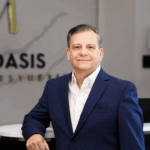
Dr. Robert Skalicky
Board Certified Plastic Surgeon
Dr. Robert Skalicky, founder and president of Modern Aesthetic Plastic Surgery, is a board-certified plastic and reconstructive surgeon with over 30 years of transformative experience. Trained at premier institutions across Pennsylvania, New York, New Jersey, and Iowa, including the Philadelphia College of Osteopathic Medicine, Cooper University Health System, West Chester Medical Center, and Fox Chase Cancer Center. Dr. Skalicky combines unparalleled surgical skill with an artistic eye for aesthetics. Recognized nationally for his innovative techniques, he has been featured on television and radio as an expert, published in leading plastic surgery journals, and selected to train the next generation of plastic surgeons. When you choose Dr. Skalicky, you’re choosing a true leader in the field, dedicated to delivering results that are as natural as they are exceptional.