
 215-860-9600
 Newtown, PA

If you’ve been researching facial rejuvenation options and wondering whether facelift surgery is the right step, you’re asking one of the most important questions in cosmetic surgery. For patients in Newtown, PA and the surrounding communities, this guide covers how facelift procedures work, what makes them different from non surgical treatments, and what realistic results look like — giving you the information you need to have a confident, informed conversation with a qualified provider. Whether you’re just beginning to explore your facelift options or are nearly ready to move forward, understanding the benefits and results of facelift surgery is an essential part of the process.
If you’d like to discuss your options with a specialist, contact Modern Aesthetic Plastic Surgery at (215) 860-9600.
How Facelift Surgery Addresses the Signs of Aging
The natural aging process affects facial skin on multiple levels. Over time, skin elasticity decreases, underlying muscles and tissues lose firmness, and environmental factors like sun damage accelerate how quickly visible signs appear. The result is often sagging skin along the jawline, deep wrinkles, nasolabial folds, and a loss of youthful contours that non surgical treatments struggle to fully address.
Facelift surgery works by addressing not just the surface but the deeper tissues responsible for facial structure. A skilled facial plastic surgeon repositions the underlying muscles and removes excess skin to restore youthful contours in a way that looks natural rather than pulled. Modern facelifts go well beyond older approaches — today’s surgical techniques are designed to produce natural looking results that reflect how a patient actually looked at a younger age, not an artificially tightened appearance.
Deep Plane Facelift: A More Comprehensive Approach
Among the facelift options available today, the deep plane facelift is widely regarded as one of the most thorough approaches to facial rejuvenation. Unlike a traditional facelift, which primarily addresses the skin layer, the deep plane facelift works at the level of the superficial musculoaponeurotic system — the interconnected layer of muscle and connective tissue beneath the skin. By releasing and repositioning these deeper tissues together with the overlying facial tissues, the deep plane facelift can address sagging skin, deep creases, and volume loss in areas that surface-level approaches cannot fully reach.
The deep plane facelift is particularly effective for patients with significant sagging skin, deep wrinkles, or more advanced facial aging. Because the underlying tissues move as a single unit rather than being pulled in isolation, the results tend to be longer-lasting and more harmonious with the patient’s natural facial structure. Plastic surgeons who perform the deep plane facelift require advanced training and surgical precision — it is a technically demanding procedure that rewards experience.
At Modern Aesthetic Plastic Surgery, Dr. Robert Skalicky brings over 30 years of surgical experience to facelift procedures, including advanced techniques that prioritize natural looking results and comprehensive rejuvenation.
Facelift Procedure vs. Non-Surgical Treatments
Non surgical treatments like dermal fillers, injectables, and energy-based devices play a valuable role in a patient’s aesthetic care. These cosmetic procedures can soften signs of aging and are well-suited for patients with earlier-stage concerns or those looking for maintenance between surgical procedures. However, non surgical treatments work primarily on skin quality and volume — they cannot reposition underlying tissues or remove excess skin.
When sagging skin, loose skin along the neck, or significant deep wrinkles are the primary concern, a facelift procedure offers a level of correction that other cosmetic procedures cannot replicate. The facelift targets the structural causes of facial aging rather than masking them. For patients whose concerns have moved beyond what injectables or skin treatments can address, exploring facelift options with an experienced surgeon is a logical next step.
Some patients combine a facelift with other procedures — such as a brow lift, eyelid surgery, or neck lift — to achieve comprehensive rejuvenation across multiple areas of the face. A neck lift addresses turkey neck and neck surgery concerns that may accompany facial aging, while eyelid surgery can address excess skin and puffiness that a facelift alone does not target.
Facelift Options: Finding the Right Approach for You
Not every patient needs the same surgical procedure. Facelift techniques range from a mini facelift — appropriate for patients with earlier, more localized signs of aging — to the full deep plane facelift for patients with more extensive facial aging. A mini facelift typically involves smaller incisions and a more limited recovery process, while a deep plane facelift offers deeper, more lasting correction for patients who are appropriate candidates.
The right facelift option depends on your facial structure, the degree of sagging skin and deep wrinkles present, your medical history, and your goals. During a consultation, a facial plastic surgeon will evaluate these factors and discuss which facelift procedure aligns with what you’re hoping to achieve. Maintaining realistic expectations is an important part of this conversation — a facelift can meaningfully restore youthful contours and reduce sagging, but outcomes vary by individual, and results develop gradually as healing progresses.
What to Expect: Recovery and Results
The recovery process after facelift surgery is a meaningful part of the overall facelift journey. Most patients experience temporary swelling, bruising, and mild discomfort in the days following the surgical procedure. A drainage tube may be placed initially to reduce fluid accumulation, and patients are typically advised to avoid blood thinners and certain medications before surgery as directed by their provider. Local anesthesia combined with sedation or general anesthesia is used depending on the extent of the procedure.
Most patients are able to return to light activity within one to two weeks, though individual recovery varies. Final results continue to improve over several months as swelling resolves and the body’s ability to heal fully takes effect. Modern facelifts are designed with careful attention to minimize scarring, with incisions typically placed in natural contours around the ear and hairline.
The benefits patients often describe extend beyond appearance. Restoring a more youthful appearance can positively influence self esteem and emotional well being — many patients report feeling more like themselves, rather than looking like someone different. This connection between self confidence and the decision to pursue cosmetic surgery is one that experienced plastic surgeons understand and take seriously.
Why Choose Modern Aesthetic Plastic Surgery in Newtown, PA
When it comes to facelift surgery, the training and experience of your facial plastic surgeon matter significantly. Dr. Robert Skalicky is a board-certified plastic and reconstructive surgeon with over 30 years of experience performing cosmetic surgery across Pennsylvania, New York, New Jersey, and Iowa. Trained at Fox Chase Cancer Center and Cooper University Health System, Dr. Skalicky has published his own innovative surgical techniques in plastic surgery journals and has been selected to train plastic surgery residents at two separate programs — a distinction that reflects how peers in the field regard his expertise.
Modern Aesthetic Plastic Surgery serves patients in Newtown, PA as well as the surrounding communities including Bucks County, Philadelphia, and the Main Line. The practice integrates plastic surgeons, aesthetic injectors, and licensed skincare specialists who collaborate to support each patient’s goals. Whether you are exploring facelift options for the first time or are ready to take the next step, you’ll find a patient-centered environment where your goals are heard and your care is personalized.
Have questions beyond what this guide covers? Dr. Robert Skalicky can provide personalized guidance based on your individual situation. Contact us online or call (215) 860-9600 to request a consultation.
Frequently Asked Questions About Facelift Surgery
Am I a good candidate for a facelift procedure?
Candidacy depends on several individual factors including your degree of facial aging, skin quality, medical history, and overall health. Most candidates are adults who have visible signs of aging that non surgical treatments have not adequately addressed. A consultation with a facial plastic surgeon is the best way to determine whether facelift surgery aligns with your goals and health profile.
How long do facelift results typically last?
Results vary by individual and depend on factors such as the facelift technique used, your natural aging process, environmental factors, and lifestyle. A deep plane facelift, which works at the level of the deeper tissues, tends to produce results that are longer-lasting compared to more superficial approaches. Your provider can give you a realistic sense of what to expect based on your specific situation.
Can a facelift be combined with other cosmetic procedures?
Yes, many patients choose to combine a facelift with other procedures such as a brow lift, eyelid surgery, or neck lift to achieve more comprehensive rejuvenation across the full face and neck. Your surgical plan will be tailored to your individual goals and anatomy, and your provider will discuss which combination of procedures, if any, makes sense for you.
What is the difference between a traditional facelift and a deep plane facelift?
A traditional facelift primarily addresses excess skin and the more superficial layers of facial tissue. A deep plane facelift works at a deeper level, repositioning the underlying muscles and connective tissue along with the overlying facial tissues. This approach can produce more comprehensive rejuvenation, particularly for patients with significant sagging skin, deep creases, or more advanced facial aging.
How is the cost of facelift surgery determined?
The cost of a facelift procedure depends on factors including the technique used, whether other procedures are performed at the same time, facility and anesthesia fees, and your individual surgical plan. Because no two facelift plans are the same, a consultation is the most accurate way to understand the investment involved. Financing options may be available — ask about this during your visit.
Will facelift surgery leave noticeable scars?
Experienced plastic surgeons take careful steps to minimize scarring by placing incisions within natural contours around the ear, hairline, and under the chin. While some scarring is inherent to any surgical procedure, incisions are designed to be discreet and typically become less visible as healing progresses. Following your provider’s post-operative care instructions supports optimal healing.
Is facelift surgery safe for patients with certain medical conditions?
As with any surgical procedure, your overall health and medical history play an important role in determining candidacy and planning your care. Certain conditions or medications may require adjustments to your surgical plan. Your provider will review your full medical history during the consultation process and discuss any considerations relevant to your safety and recovery.
Taking the Next Step in Your Facelift Journey
You now have a thorough foundation for understanding why choose facelift: benefits and results — from how facelift surgery differs from non surgical treatments, to the distinction between a mini facelift and a deep plane facelift, to what the recovery process and realistic results look like. The next step is a personalized consultation where your individual goals, facial structure, and medical history can be evaluated by an experienced surgeon. For patients in Newtown, PA and the surrounding region, Modern Aesthetic Plastic Surgery offers the expertise and personalized approach to guide you through this decision. Schedule your consultation online or call (215) 860-9600 to begin the conversation.
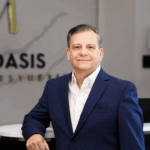
Dr. Robert Skalicky
Board Certified Plastic Surgeon
Dr. Robert Skalicky, founder and president of Modern Aesthetic Plastic Surgery, is a board-certified plastic and reconstructive surgeon with over 30 years of transformative experience. Trained at premier institutions across Pennsylvania, New York, New Jersey, and Iowa, including the Philadelphia College of Osteopathic Medicine, Cooper University Health System, West Chester Medical Center, and Fox Chase Cancer Center. Dr. Skalicky combines unparalleled surgical skill with an artistic eye for aesthetics. Recognized nationally for his innovative techniques, he has been featured on television and radio as an expert, published in leading plastic surgery journals, and selected to train the next generation of plastic surgeons. When you choose Dr. Skalicky, you’re choosing a true leader in the field, dedicated to delivering results that are as natural as they are exceptional.