
 215-860-9600
 Newtown, PA
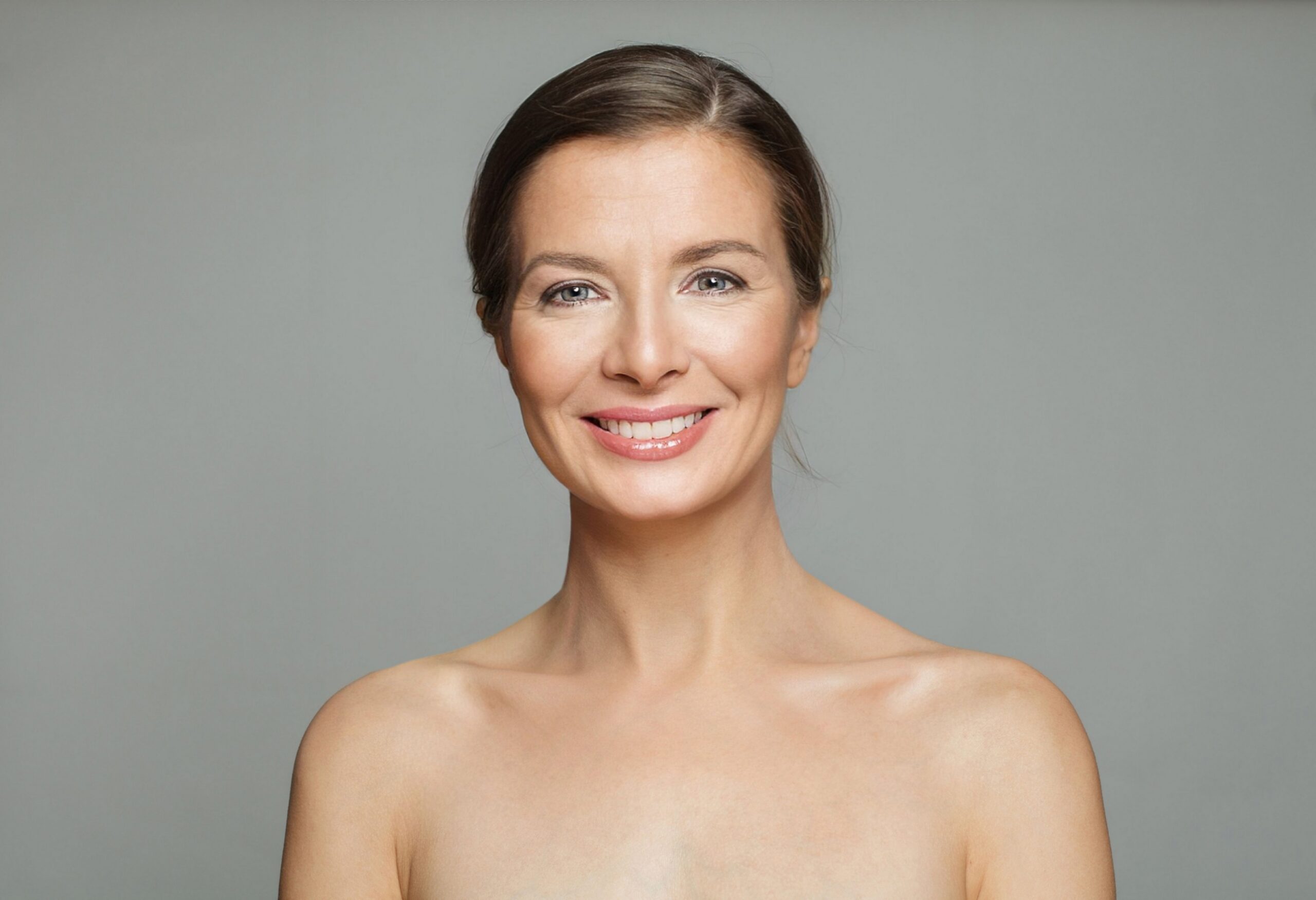
If you find yourself asking, “Am I a good candidate for a facelift?”, you are already taking an important and thoughtful first step. A facelift, or rhytidectomy, is one of the most comprehensive surgical options for addressing visible facial aging, and understanding whether it aligns with your anatomy, health, and goals is essential before moving forward. This page is designed to give you honest, clinically grounded information so you can approach a consultation with realistic expectations and genuine confidence. Whether you are in the early stages of research or nearly ready to schedule, the information here will help you understand what ideal candidacy looks like and what your consultation at our Newtown, PA practice may involve.
What Does It Mean to Be a Good Candidate for Facelift?
Facelift candidacy is not determined by age alone. Surgeons evaluate a combination of physical, medical, and lifestyle factors to determine whether a facelift can safely deliver meaningful results for a specific patient. Understanding these factors helps you self-assess before your first appointment.
Skin Laxity and Facial Volume
Candidates who benefit most from a facelift typically have noticeable skin laxity along the lower face, jawline, and neck. This includes jowling, deepened nasolabial folds, and loose or banded skin beneath the chin. The underlying facial structure should still have reasonable bone support, as this provides the foundation for natural-looking, longer-lasting results. Patients who have already experienced significant volume loss may benefit from a combined approach, such as fat transfer or facial fillers and injectables, discussed during a thorough pre-surgical consultation.
Overall Health Status
General health plays a central role in safe surgical outcomes. Candidates should be non-smokers, or willing to stop smoking well in advance of surgery, as nicotine significantly impairs healing. Conditions such as uncontrolled hypertension, diabetes, or bleeding disorders may affect surgical eligibility and must be disclosed during your evaluation. A board-certified plastic surgeon will review your medical history carefully and may coordinate with your primary care physician to ensure you are cleared for an elective surgical procedure.
Realistic Expectations
Perhaps the most important candidacy factor is psychological readiness. A facelift may help restore a more rested and youthful facial contour, but individual results vary. Patients who understand that surgery addresses structural changes, not every fine line, and who are motivated by personal goals rather than external pressure tend to have the most satisfying experiences. Our practice values transparency about what surgery can and cannot achieve, and every consultation is built around honest, informed goal-setting.
Am I a Good Candidate for Facelift If I Am Younger or Have Mild Concerns?
This question comes up frequently, and the answer is nuanced. Facelift surgery is not exclusively for patients in their 60s and 70s. Patients in their 40s and early 50s with early jowling, neck laxity, or a genetic predisposition to facial sagging may be excellent candidates for a less extensive procedure sometimes referred to as a mini facelift or limited-incision facelift.
When Non-Surgical Options May Be Enough
For patients with mild concerns, non-surgical treatments may provide meaningful improvement without surgery. Our integrated med spa division offers aesthetic procedures that can address early skin laxity, texture, and volume changes. When structural facial aging is minimal, these approaches may delay or reduce the extent of surgery needed later. During your consultation, your surgeon will discuss whether a staged or combined approach aligns with your goals.
When Surgery Becomes the More Appropriate Option
Non-surgical options have limitations. When skin redundancy, deep tissue descent, or significant jowling is present, injectables and energy-based devices may not deliver the structural correction a patient seeks. In these cases, a facelift addresses the underlying SMAS layer, the sheet of muscle and connective tissue beneath the skin, producing a repositioned and more naturally youthful result that surface treatments cannot replicate. Patients who have tried non-surgical routes without satisfactory outcomes are often strong surgical candidates. You can also explore our full range of cosmetic facial services to see how different procedures compare.
Complementary Procedures to Consider
Many patients combine a facelift with a brow lift or eyelid surgery to achieve a more harmonious result across the upper and lower face. Discussing your full facial anatomy during a consultation allows your surgeon to recommend a plan tailored to your specific presentation, rather than a one-size-fits-all approach.
What to Expect During Your Facelift Candidacy Evaluation
A thorough candidacy evaluation is more than a quick look in the mirror. At our practice, the consultation process is designed to give both the surgeon and the patient a complete picture before any decisions are made.
Your Medical and Lifestyle History
Your surgeon will review your complete medical history, including current medications, prior surgeries, and any conditions that may affect healing or anesthesia tolerance. Lifestyle factors such as sun exposure, skincare routine, and weight stability are also discussed, as they influence both surgical planning and long-term results. Patients with a stable weight and consistent skincare habits tend to maintain their results more effectively over time. Our skincare division can provide ongoing support through medical-grade skincare products that complement surgical outcomes.
Physical Examination of the Face and Neck
The surgeon will assess your skin quality, degree of laxity, tissue thickness, and underlying bone structure. The position of the hairline, the shape of the ear, and prior scar patterns are all noted, as they influence incision placement and technique selection. This examination helps determine whether a full facelift, a limited procedure, or a combined approach best addresses your anatomy.
Goal-Setting and Informed Consent
We believe in a collaborative approach to surgical planning. You will have the opportunity to describe what bothers you most, review before and after examples, and ask every question you have before committing to anything. Recovery timelines, potential risks, and the realistic scope of improvement are all discussed openly, so you leave with clarity, not just excitement.
Why Choose Modern Aesthetic Plastic Surgery in Newtown, PA?
When you are considering a procedure as significant as a facelift, the experience and philosophy of your surgical team matter deeply. He has published innovative techniques in peer-reviewed plastic surgery journals and has been selected to train plastic surgery residents at two separate programs, a distinction that reflects the regard his peers hold for his clinical standards.
At Modern Aesthetic Plastic Surgery, patients benefit from a fully integrated practice where surgeons, aesthetic injectors, and licensed skincare experts collaborate on outcomes. This structure is rare and genuinely valuable: your surgical result can be supported and maintained across all three divisions of care. Serving patients throughout the greater Philadelphia area from our Newtown and King of Prussia locations, we also offer virtual consultations for patients who prefer to begin their research from home. Meet the team and learn more about the expertise behind your care, or contact us to schedule your consultation today.
Frequently Asked Questions
At what age should I consider asking whether I am a good candidate for a facelift?
There is no single correct age. Most patients who seek a facelift are between 45 and 70, but candidacy is based on facial anatomy and the degree of visible aging, not a number. Some patients in their early 40s with pronounced jowling or neck laxity may benefit from an earlier, less extensive procedure, while others in their 70s remain excellent surgical candidates depending on their overall health and skin quality.
Can I have a facelift if I have had prior facial surgery or injectables?
Prior facial surgery or a history of injectables does not automatically disqualify you. However, it does influence surgical planning. Scar tissue from previous procedures can affect tissue mobility, and areas of prior filler placement will be evaluated carefully. Your surgeon will review your full history during the consultation and discuss how prior treatments may shape your current options and anticipated outcomes.
How long does facelift recovery typically take?
Most patients can expect significant swelling and bruising in the first one to two weeks following surgery. Many patients feel comfortable returning to non-strenuous activities within two weeks, though full healing of deeper tissues continues for several months. Recovery timelines vary based on the extent of the procedure, your overall health, and how closely you follow post-operative care instructions. Your surgeon will provide a personalized recovery outline at your consultation.
Contact Us
If you are still asking yourself, “Am I a good candidate for a facelift?”, the most important next step is a personalized consultation with a board-certified plastic surgeon serving Newtown, PA and the greater Philadelphia region. Our team is ready to answer your questions, review your anatomy, and help you make an informed, confident decision. Contact us online to request your consultation.
Dr. Robert Skalicky
Board Certified Plastic Surgeon
Dr. Robert Skalicky, founder and president of Modern Aesthetic Plastic Surgery, is a board-certified plastic and reconstructive surgeon with over 30 years of transformative experience. Trained at premier institutions across Pennsylvania, New York, New Jersey, and Iowa, including the Philadelphia College of Osteopathic Medicine, Cooper University Health System, West Chester Medical Center, and Fox Chase Cancer Center. Dr. Skalicky combines unparalleled surgical skill with an artistic eye for aesthetics. Recognized nationally for his innovative techniques, he has been featured on television and radio as an expert, published in leading plastic surgery journals, and selected to train the next generation of plastic surgeons. When you choose Dr. Skalicky, you’re choosing a true leader in the field, dedicated to delivering results that are as natural as they are exceptional.